Skip to content
← All talks

Fight, Flight, or Freeze — Releasing Organizational Trauma

DevOpsDays Charlotte 2019 · · Charlotte, NC, USA
Slides
Download PDF
Fight, Flight, or Freeze — Releasing Organizational Trauma, slide 1 of 36Fight, Flight, or Freeze — Releasing Organizational Trauma, slide 2 of 36Fight, Flight, or Freeze — Releasing Organizational Trauma, slide 3 of 36Fight, Flight, or Freeze — Releasing Organizational Trauma, slide 4 of 36Fight, Flight, or Freeze — Releasing Organizational Trauma, slide 5 of 36Fight, Flight, or Freeze — Releasing Organizational Trauma, slide 6 of 36Fight, Flight, or Freeze — Releasing Organizational Trauma, slide 7 of 36Fight, Flight, or Freeze — Releasing Organizational Trauma, slide 8 of 36Fight, Flight, or Freeze — Releasing Organizational Trauma, slide 9 of 36Fight, Flight, or Freeze — Releasing Organizational Trauma, slide 10 of 36Fight, Flight, or Freeze — Releasing Organizational Trauma, slide 11 of 36Fight, Flight, or Freeze — Releasing Organizational Trauma, slide 12 of 36Fight, Flight, or Freeze — Releasing Organizational Trauma, slide 13 of 36Fight, Flight, or Freeze — Releasing Organizational Trauma, slide 14 of 36Fight, Flight, or Freeze — Releasing Organizational Trauma, slide 15 of 36Fight, Flight, or Freeze — Releasing Organizational Trauma, slide 16 of 36Fight, Flight, or Freeze — Releasing Organizational Trauma, slide 17 of 36Fight, Flight, or Freeze — Releasing Organizational Trauma, slide 18 of 36Fight, Flight, or Freeze — Releasing Organizational Trauma, slide 19 of 36Fight, Flight, or Freeze — Releasing Organizational Trauma, slide 20 of 36Fight, Flight, or Freeze — Releasing Organizational Trauma, slide 21 of 36Fight, Flight, or Freeze — Releasing Organizational Trauma, slide 22 of 36Fight, Flight, or Freeze — Releasing Organizational Trauma, slide 23 of 36Fight, Flight, or Freeze — Releasing Organizational Trauma, slide 24 of 36Fight, Flight, or Freeze — Releasing Organizational Trauma, slide 25 of 36Fight, Flight, or Freeze — Releasing Organizational Trauma, slide 26 of 36Fight, Flight, or Freeze — Releasing Organizational Trauma, slide 27 of 36Fight, Flight, or Freeze — Releasing Organizational Trauma, slide 28 of 36Fight, Flight, or Freeze — Releasing Organizational Trauma, slide 29 of 36Fight, Flight, or Freeze — Releasing Organizational Trauma, slide 30 of 36Fight, Flight, or Freeze — Releasing Organizational Trauma, slide 31 of 36Fight, Flight, or Freeze — Releasing Organizational Trauma, slide 32 of 36Fight, Flight, or Freeze — Releasing Organizational Trauma, slide 33 of 36Fight, Flight, or Freeze — Releasing Organizational Trauma, slide 34 of 36Fight, Flight, or Freeze — Releasing Organizational Trauma, slide 35 of 36Fight, Flight, or Freeze — Releasing Organizational Trauma, slide 36 of 36

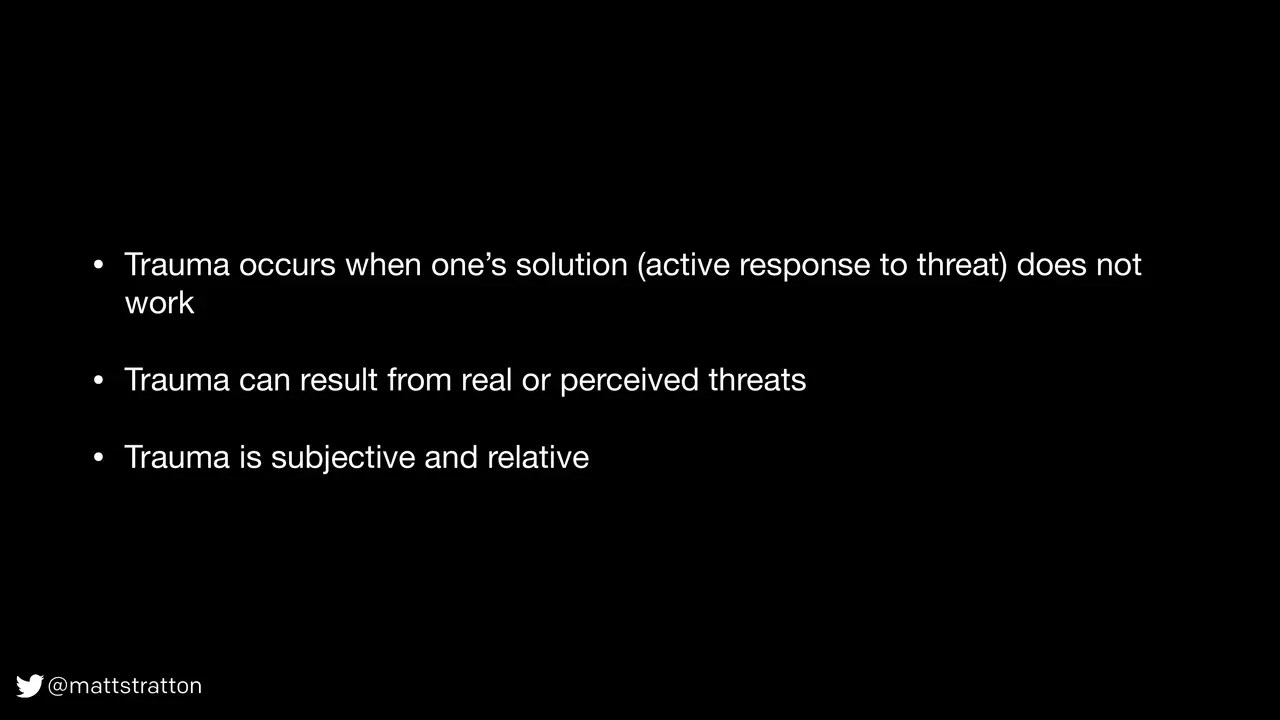
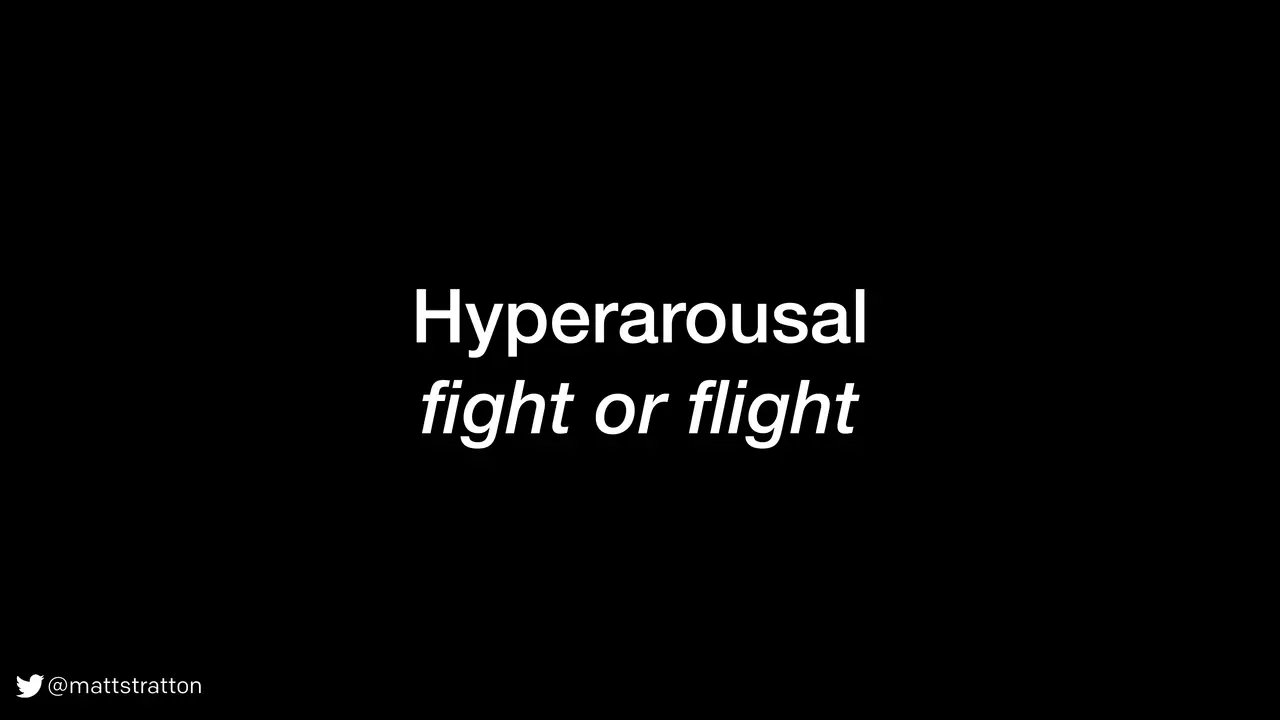
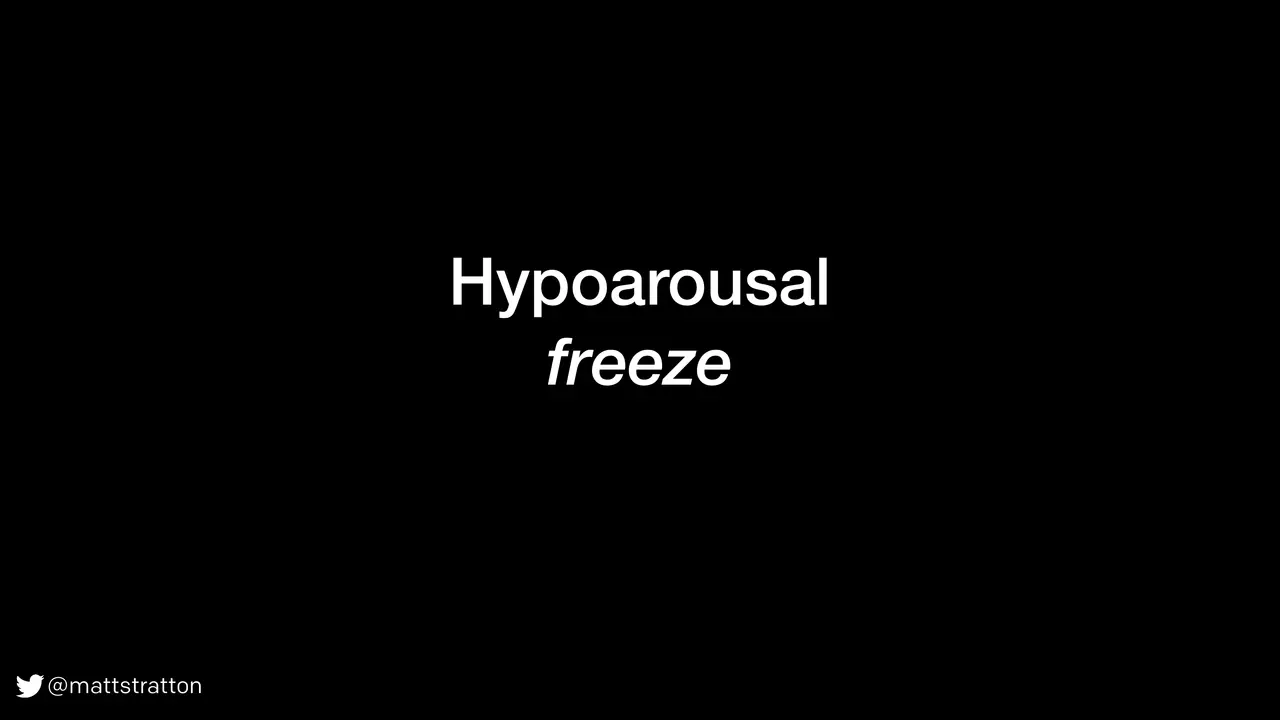
When humans are faced with a traumatic experience, our brains kick in with survival mechanisms. These mechanisms are the familiar fight or flight response, but can also include the freeze response - which occurs when we are terrified or feel that there is no chance of escape.

In this talk I will explain the background of fight, flight, and freeze, and how it applies to organizations. Based on my own experiences with post-traumatic stress (PTS), I will give examples and suggestions on how to identify your own organizational trauma and how to help heal it.

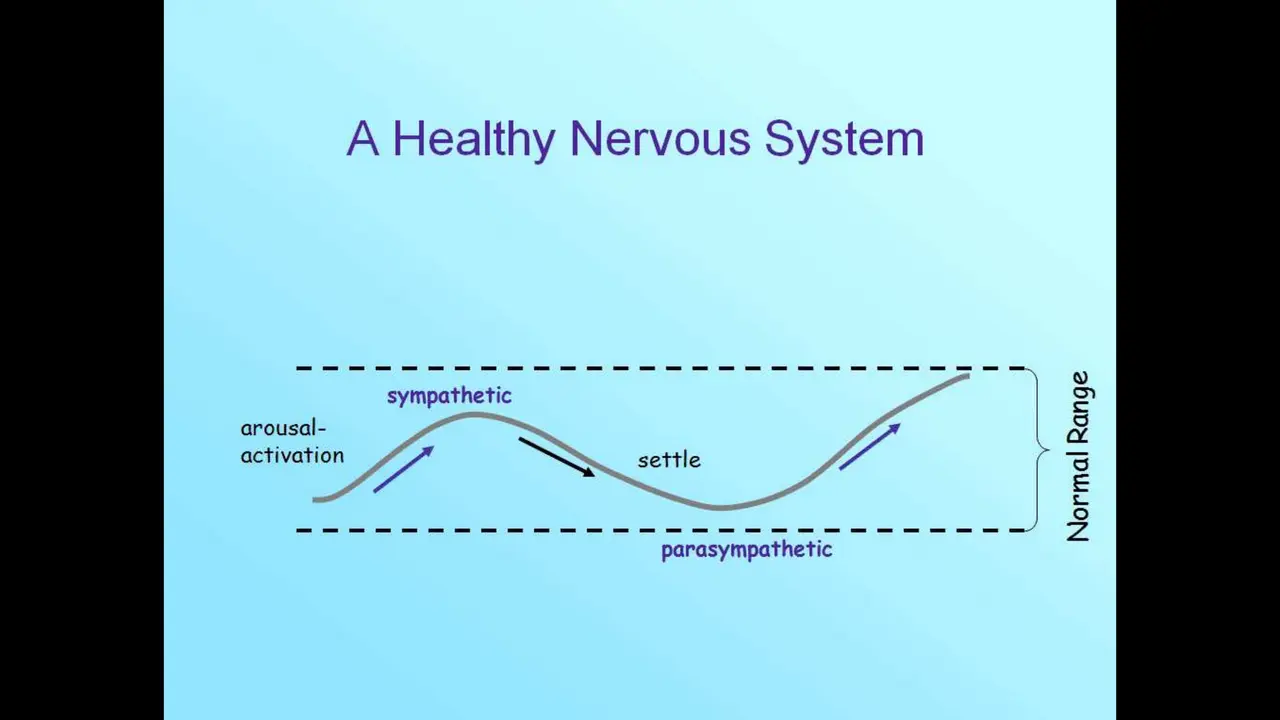
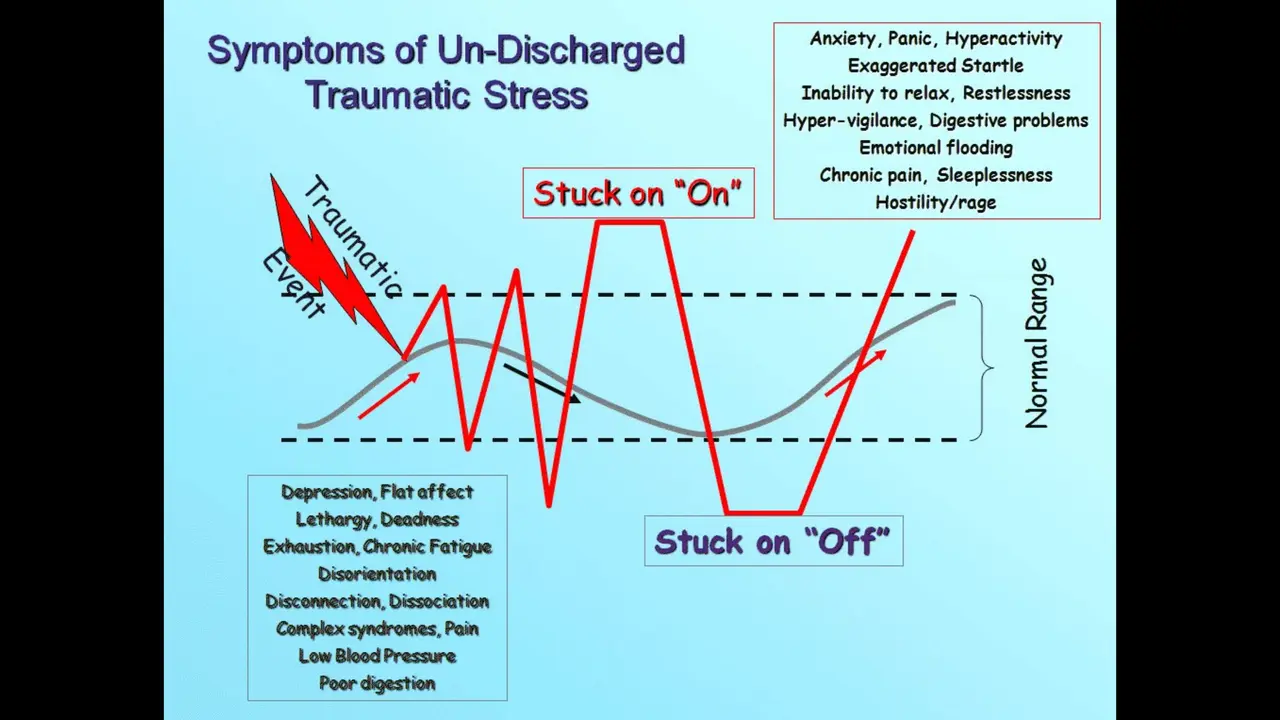
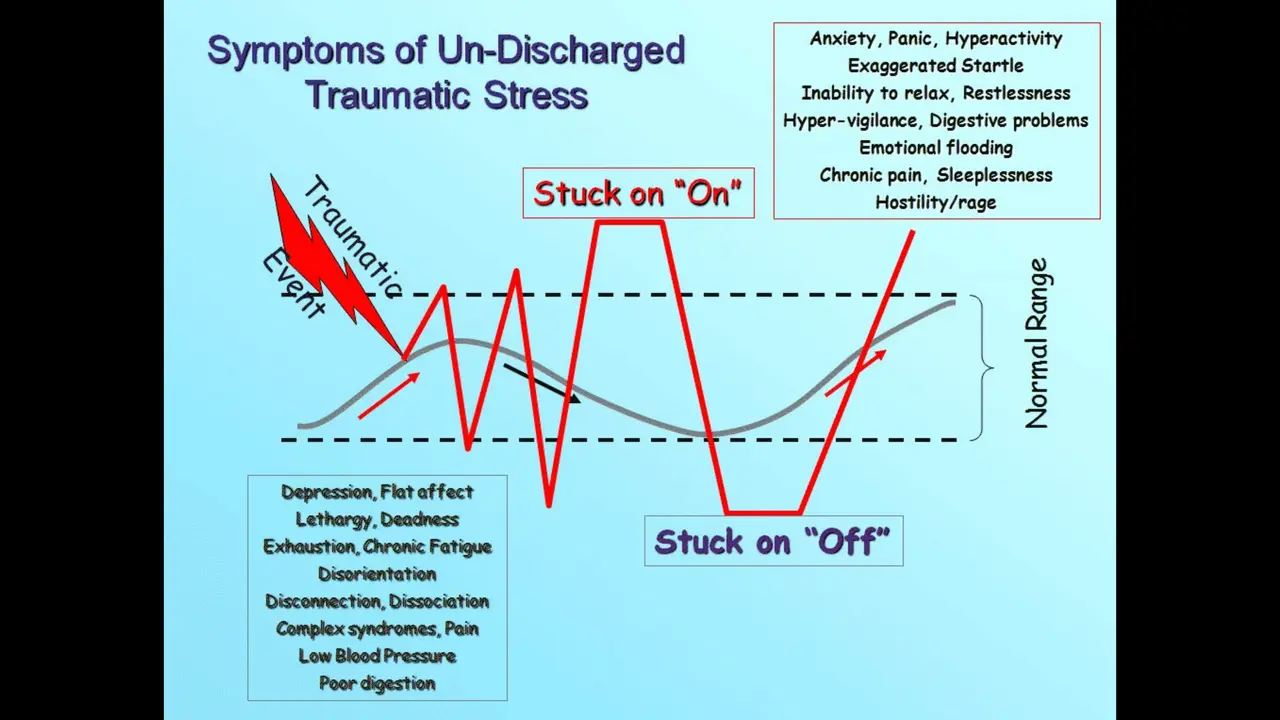
Sufferers of post-traumatic stress continue to feel these fight, flight, and freeze responses long after the trauma has passed, because our brains are unable to differentiate between the memory of trauma and an actually occurring event. When activated or triggered, the brain reverts to these behaviors, which are then expressed in the person’s body (through posture, disassociation, muscle tension, etc).

The same can occur to organizations - once an organization has experienced a trauma (a large outage, say) the “memory” of that trauma leads to a deregulated state whenever activated (by symptoms of similar indicators, such as system alerts, customer issues, and more). The organization will insist on revisiting the same fight, flight, or freeze response as the embedded trauma has caused, which, like a triggered post-traumatic stress sufferer, is a false equivalency.

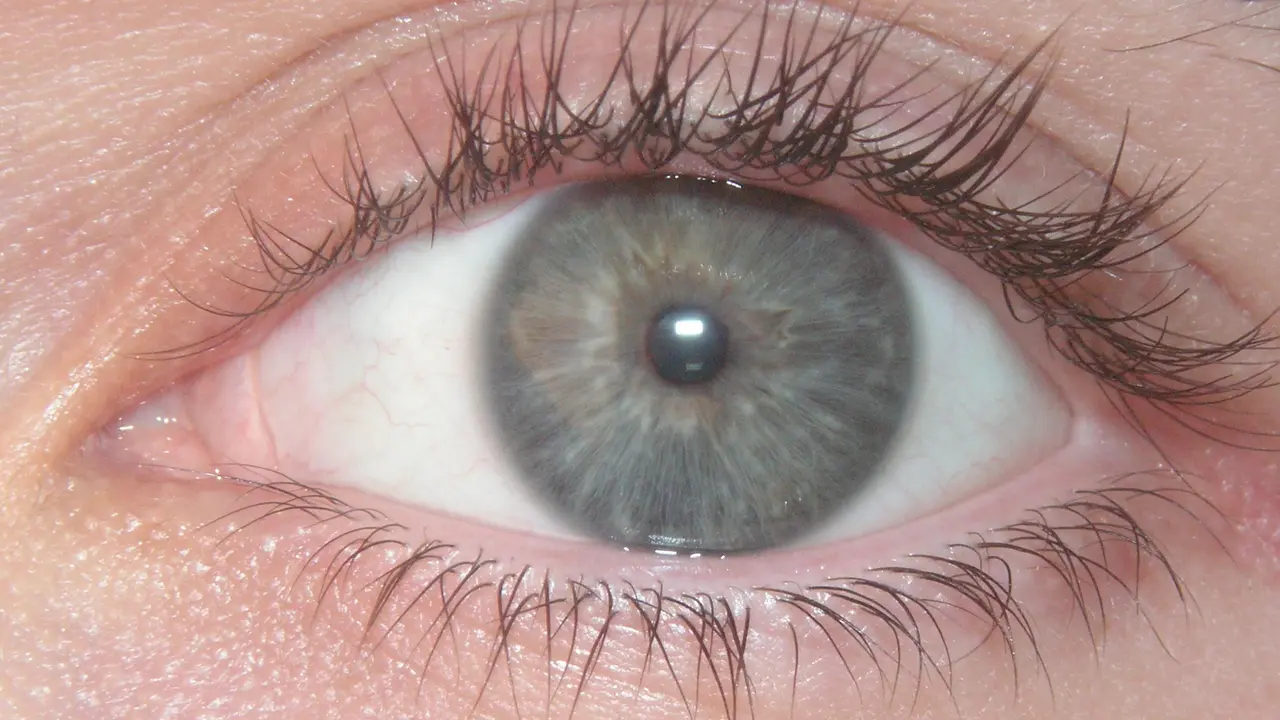
One of the treatments for post-traumatic stress is Eye Movement Desensitization and Reprocessing (EMDR), in which the patient’s difficult memories are offset with a positive association that is reinforced through external stimuli. The same can be done for organizations - removing the inaccurate traumatic associations of previous outages and organizational pain through game days, and other techniques, we can reduce the “scar tissue” of our organization and move forward in a balanced manner.